
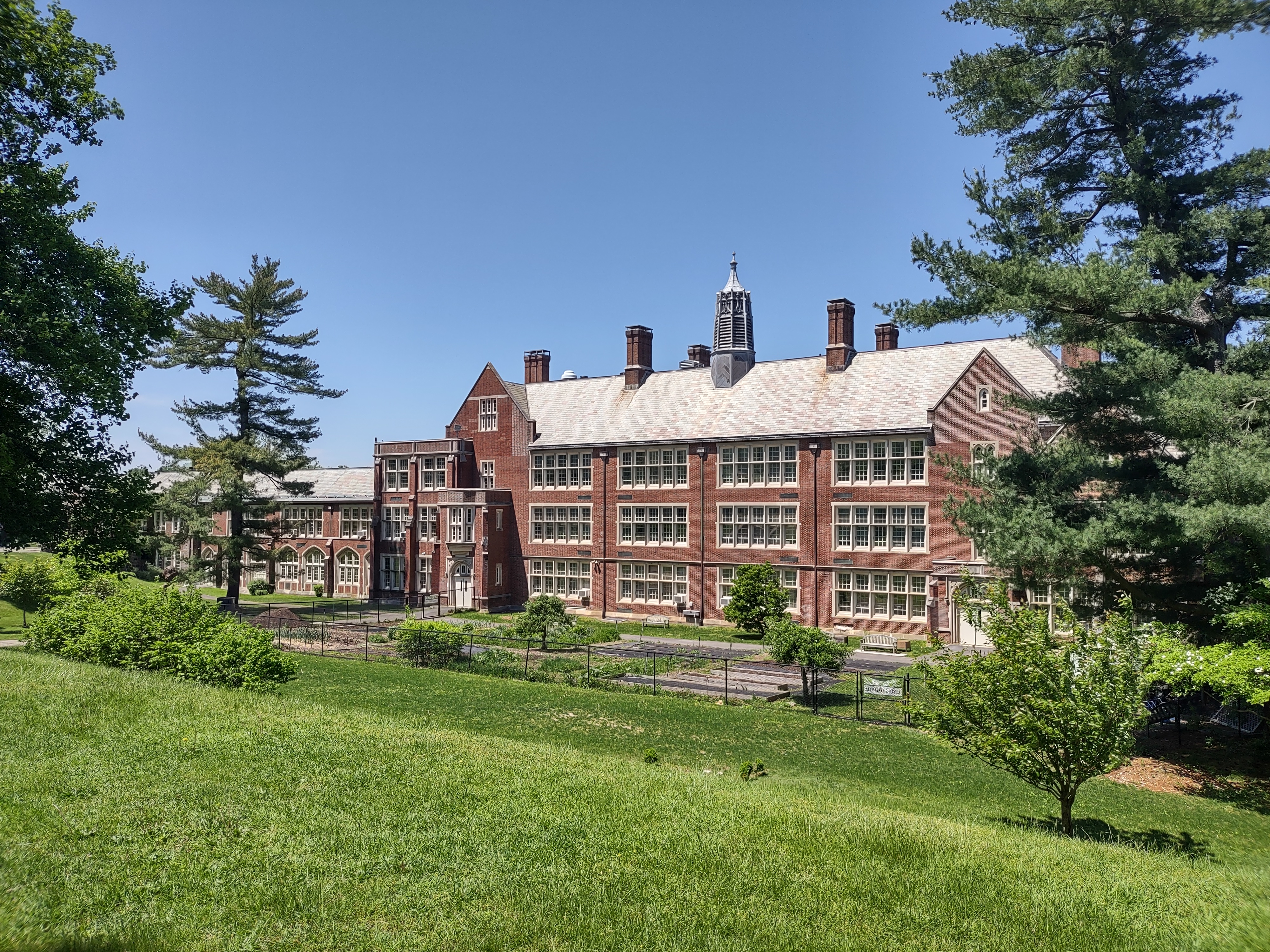
Scarsdale High School cut five staff positions to stay under the New York State property tax cap, leaving students with fewer elective courses for 2026-27.
Criminal Justice and Psychology are no longer available to 10th graders. The school is also phasing out its French level-two track after eliminating a part-time French teaching position.
Assistant Principal Laura Weiss told the Maroon, the SHS student newspaper, that two forces drove the reductions: teacher reallocation and district-level position cuts.
The school added a fourth Civics Education team for 2026-27, which pulled a social studies teacher away from elective duties. "Creating an additional Civ Ed team required release time for one of our social studies teachers and thus limited our ability to offer Criminal Justice and Psychology to 10th graders," Weiss said.
The French cut came from a separate budget decision. The district eliminated a part-time French position at SHS, and Weiss said the school is now phasing out the level-two track as a result.
Both moves trace back to the district's $197 million budget for 2026-27, which voters approved on May 19 with 77.2 percent support. The spending plan, a 2.92 percent increase over the prior year, hit the maximum allowable tax levy increase of 3.37 percent. Exceeding the cap would have required a 60 percent supermajority, according to Scarsdale10583.com's budget coverage.
Health insurance alone accounted for $2.8 million in new spending. Salary increases added $3 million.
Overall district staffing dropped to about 661.7 full-time equivalent employees, five fewer than the year before. Property taxes fund roughly 92 percent of the Scarsdale school district's revenue, the highest local reliance in the area because the district receives the least state aid among its neighbors.
To soften the blow, the administration plans to rotate electives on alternating-year schedules. A course unavailable in 2026-27 would be prioritized for 2027-28. Weiss said the school is also reserving elective access for juniors and seniors first, delaying options for younger students rather than eliminating them outright.