
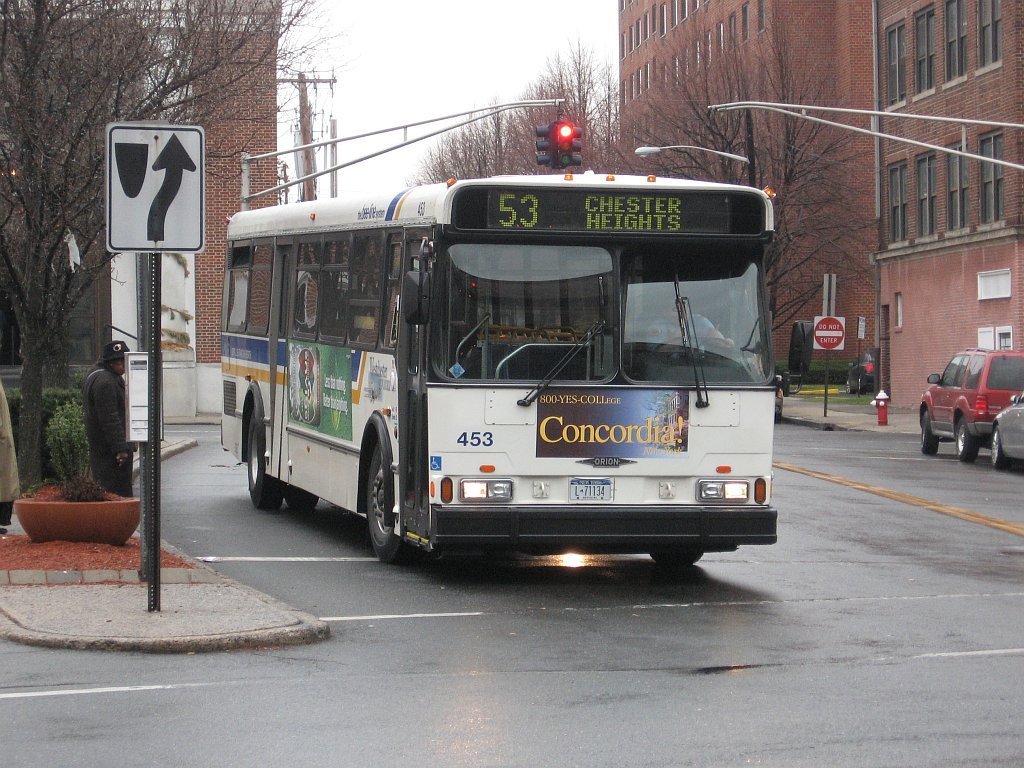
Westchester County unveiled the first of its new Bee-Line bus shelters Tuesday, kicking off a replacement program running through 2029 that will bring upgraded waiting areas to riders across the system, including routes serving Bronxville, Scarsdale and Eastchester.
What's actually changing at the bus stop.
The new shelters swap out aging structures for modern designs with benches, improved lighting, and better protection from rain and wind. Depending on location, some will draw power from local electrical connections, while others run on rooftop solar panels operating entirely off the grid.
"Whether someone rides the Bee-Line every day or only occasionally, they deserve a safe and comfortable place to wait for the bus," County Executive Ken Jenkins said in the county's announcement, framing it as part of a broader push to make public transit more dependable. DPW&T Commissioner Hugh Greechan said the more durable, modern structures should improve the rider experience while supporting the system's long-term reliability.
Who's building and maintaining them.
The county's Board of Acquisition and Contract unanimously approved a five-year license agreement with InSite Street Media, LLC in May, valued at up to $1,475,000, covering shelter operation and maintenance through June 2031. Jenkins had already previewed the solar-powered lighting piece in his May State of the County address, tying it to the county's broader sustainability goals.
Where riders might see the new shelters.
The Bee-Line system serves multiple local routes, including Route 26 (Bronx-Yonkers-Bronxville), Route 30 (Yonkers-Bronxville-New Rochelle), Route 52 (Bronx-Mount Vernon-Bronxville), Route 45/45Q (Eastchester-New Rochelle-Pelham Bay), Route 63 (Scarsdale-White Plains), Routes 64/65 (Scarsdale commuter service), and Route 66 (Dobbs Ferry-Scarsdale-Larchmont-New Rochelle). Full route maps and schedules are available on the county's Bee-Line timetables page.
What's still unknown.
The county hasn't said which stops get new shelters first, how many will ultimately be replaced by 2029, or how residents can weigh in on which locations should be prioritized.