
Temperatures hit 100 degrees. Con Edison cut voltage to 89,000 customers. And somewhere between Thursday night, July 2, and Friday morning, July 3, the backup generators at the Westchester County–Yonkers Joint Sewage Treatment Plant gave out.
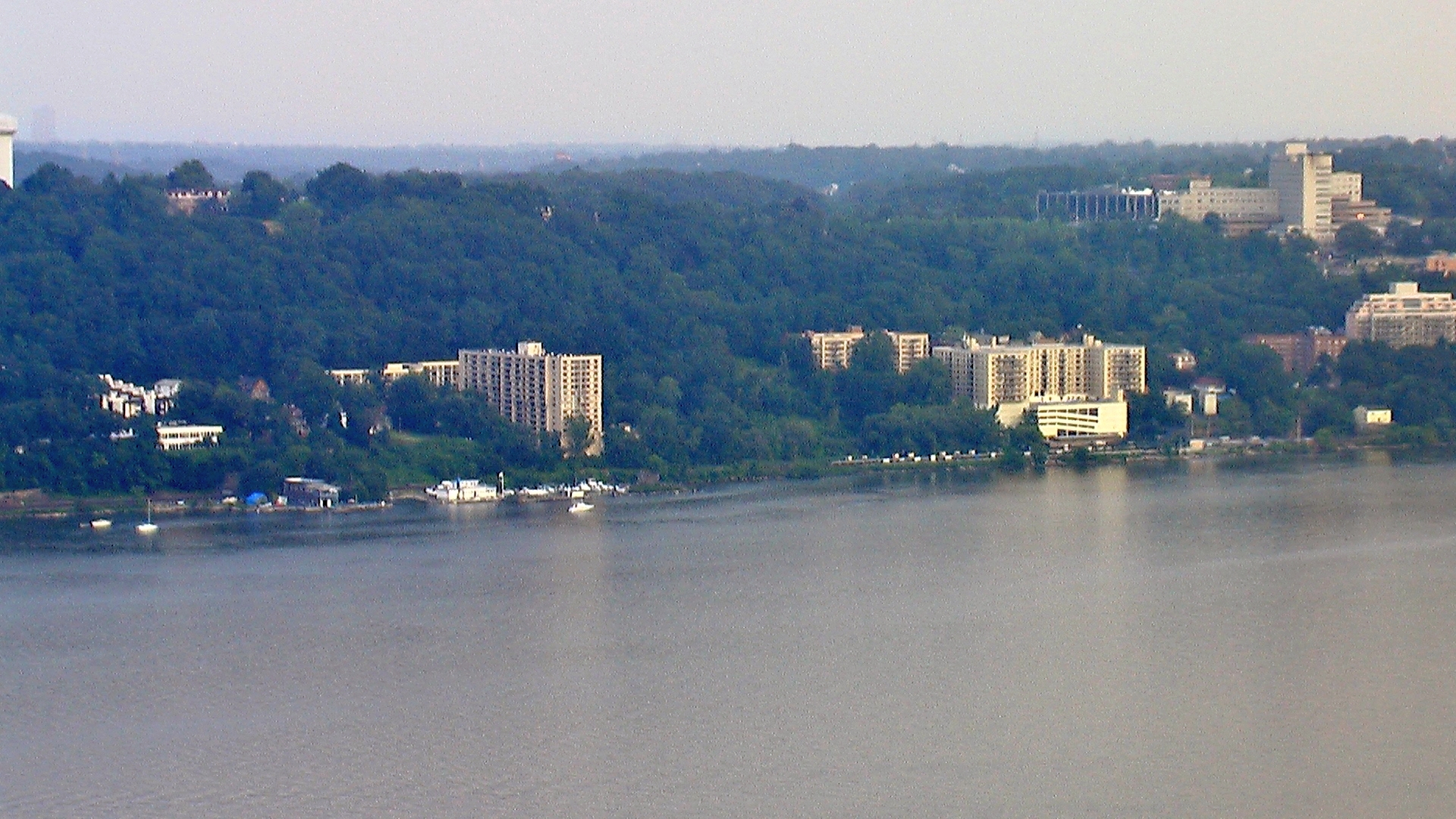
What followed: 39 million gallons of chlorinated, partially treated sewage flowing straight into the Hudson River.
Bronxville and Eastchester were both inside the voltage-reduction zone Con Edison activated that night, placing local residents at the center of a regional infrastructure failure that has kept Hudson River beaches closed for nearly two weeks.
The Westchester County Department of Health issued an emergency advisory warning residents to avoid all recreational contact with the Hudson — swimming, kayaking, paddleboarding, boating, fishing. The closure stretches from the New York City line north through Yonkers, Hastings-on-Hudson, Dobbs Ferry, Irvington, Tarrytown, Sleepy Hollow, and Briarcliff Manor.
As of Wednesday, July 8, the county was still telling people to stay out of the water, CBS News reported. By Saturday, July 11, Philipse Manor Beach in Sleepy Hollow, Croton Point Park Beach, and Hudson Park East Beach remained shuttered due to bacteria levels exceeding state standards, according to NBC New York.
No all-clear has been issued as of Sunday, July 13.
Con Edison initiated an 8 percent voltage reduction across parts of Yonkers, Pelham, Mount Vernon, Bronxville, Eastchester, New Rochelle, and the town of Mamaroneck to protect equipment during the severe heat wave. The plant's backup generators kicked on as designed. Then they failed, too.
Facing a catastrophic internal sewage backup, plant operators made a choice: bypass standard treatment and release the effluent into the river. The facility did not return to full operation until 1:45 p.m. Friday, July 3.
County Executive Ken Jenkins' office initially said in a press release that the failure was "due to the power reductions by Con Edison from the extreme heat." His office later softened that to "power issues" as a possible cause.
Con Edison pushed back, saying power continued flowing in Yonkers on July 2 and 3 and that an 8 percent reduction alone would not have shut down the plant.
The New York Times, citing a state report released the night of Friday, July 3, reported that the plant "lost power because of extreme heat and humidity and could not transfer power over to its generators." The Yonkers Times said it was unable to locate or obtain that state report.
The plant is operated by Westchester County. The City of Yonkers has no oversight or authority over it.
Unverified social media posts from people claiming to be former employees have alleged prior generator failures and ignored maintenance concerns at the facility.
The discharge entered the Hudson in Yonkers, miles from either community. But the voltage reduction hit both towns directly, and anyone who paddles, fishes, or swims along the Westchester waterfront should check the county Department of Health's beach closure page before heading out.
No formal investigation or accountability hearing has been publicly announced as of Sunday, July 13.