
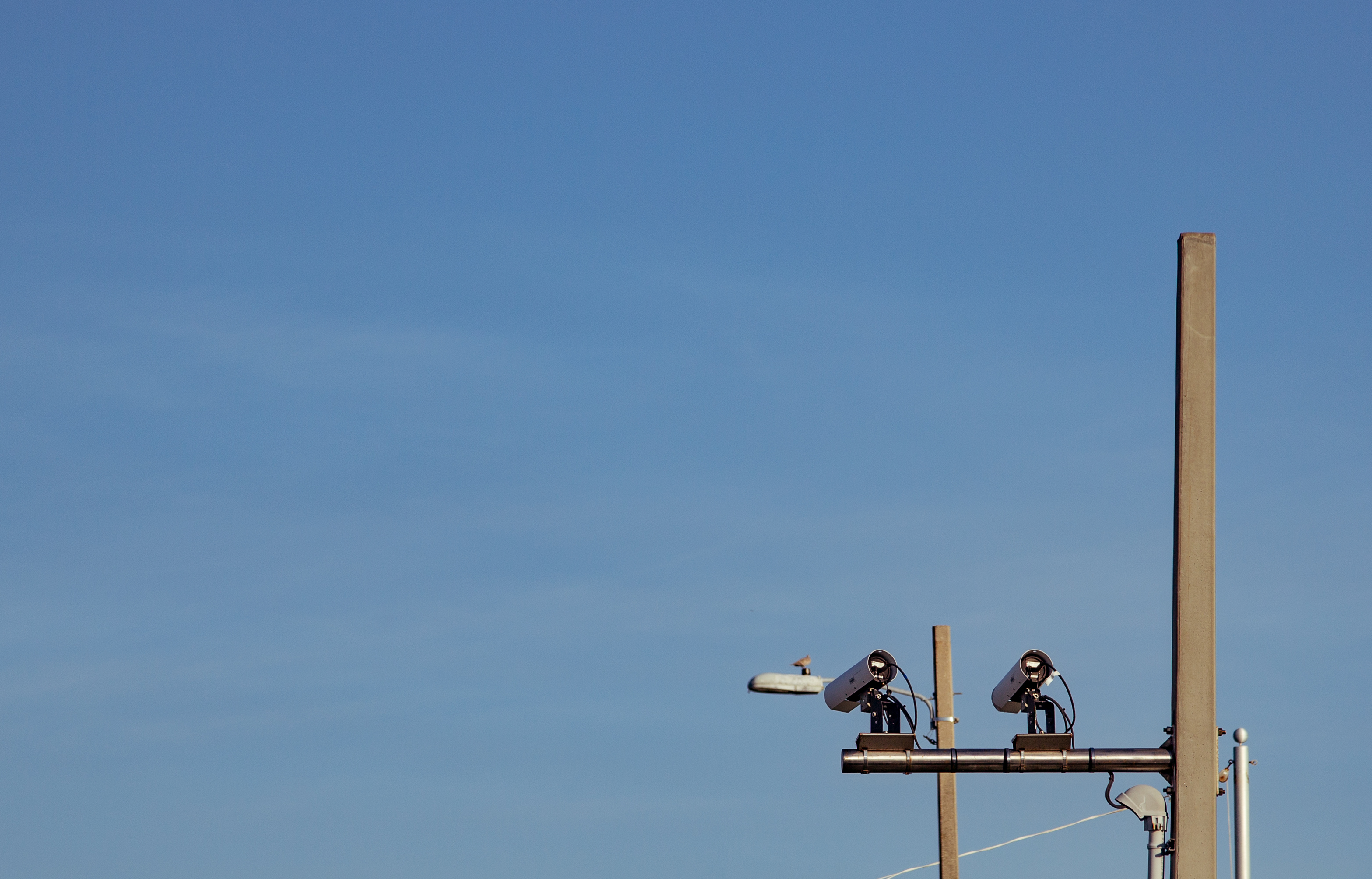
A class-action lawsuit filed June 9 in New York State Supreme Court alleges the Westchester County Police Department built a 575-camera license plate reader network across 37 municipalities without ever getting a vote from the Board of Legislators.
The cameras span the county where Bronxville, Scarsdale and Eastchester residents live and drive. Whether any of the 575 cameras sit within those villages is unclear, but anyone who drives Westchester roads is subject to the system.
The suit, Umemoto v. Westchester County Police Department (Index No. 65935/2026), was brought by the Knight First Amendment Institute at Columbia University, the New York Civil Liberties Union, the Policing Project at NYU School of Law and Freshfields US LLP. It seeks an injunction barring the department from operating the system.
According to the Knight Institute's case page, the cameras have recorded hundreds of millions of vehicle records retained in a searchable database for at least two years. The plaintiffs' complaint puts the cumulative total at roughly 1.6 billion plate scans. In 2024 alone, the system collected more than 264 million recordings, more than 99 percent of which were unrelated to any suspected crime, according to a press statement from the plaintiffs' legal team.
The department shares that data with more than 50 outside agencies, including U.S. Immigration and Customs Enforcement.
That ICE access carries added weight in Westchester: Gov. Kathy Hochul signed legislation May 27 prohibiting local governments from participating in 287(g) agreements with ICE, with existing agreements required to end by Aug. 25. The ALPR data-sharing arrangement is not a 287(g) agreement, but civil liberties groups argue it creates a parallel pipeline for immigration enforcement.
The complaint also raises concerns about camera placement, alleging a concentration in neighborhoods with largely Black and Latino populations that are already more heavily policed.
Named plaintiffs
One plaintiff, Leah Nelson, is a retiree who drives throughout the county and advocates for police reform and racial justice. The NYCLU says the department tracked her whereabouts nearly 1,000 times over two years despite no connection to any criminal investigation.
Another plaintiff, Sarah Moore, is a teacher and mother. "It's scary to think that my car can be tracked just because I'm going about my life, and that this information can be shared with ICE," Moore said in a statement June 9. "I shouldn't be watched by the police every time I get behind the wheel."
The authorization question
The lawsuit's central legal theory is not privacy but democratic authorization. The complaint alleges the county police built and expanded the network without a vote, public hearing or meaningful safeguards from any elected body.
Barry Friedman, founder of the Policing Project at NYU School of Law, said in a statement June 9 that a police department cannot unilaterally decide to surveil the daily movements of its own citizens without accountability, transparency or oversight. He called the data collection "indiscriminate" and said it "must not be allowed to continue in the dark."
Board of Legislators meeting minutes from June 29 and July 20 contain no agenda items or votes related to the ALPR network or the lawsuit, consistent with the plaintiffs' claim that the legislature was bypassed.
County response
The county said June 25 that the complaint "contains legal and factual errors" but has not specified which claims it disputes. As of Aug. 19, no further public statement from the county or the Westchester County Police Department has been located. The vendor contract and its dollar value have not been publicly disclosed.
What's next
A pending state bill, A.10808/S.9890, crafted by the NYCLU and sponsored by Assemblymember Pam Hunter, would restrict ALPR use cases, require data deletion within 48 hours and prohibit warrantless out-of-state data sharing. That bill will not be considered until the 2027 legislative session.
No next court date for the Westchester case has been publicly scheduled.